Coil whine: when it is normal and when the unit is faulty
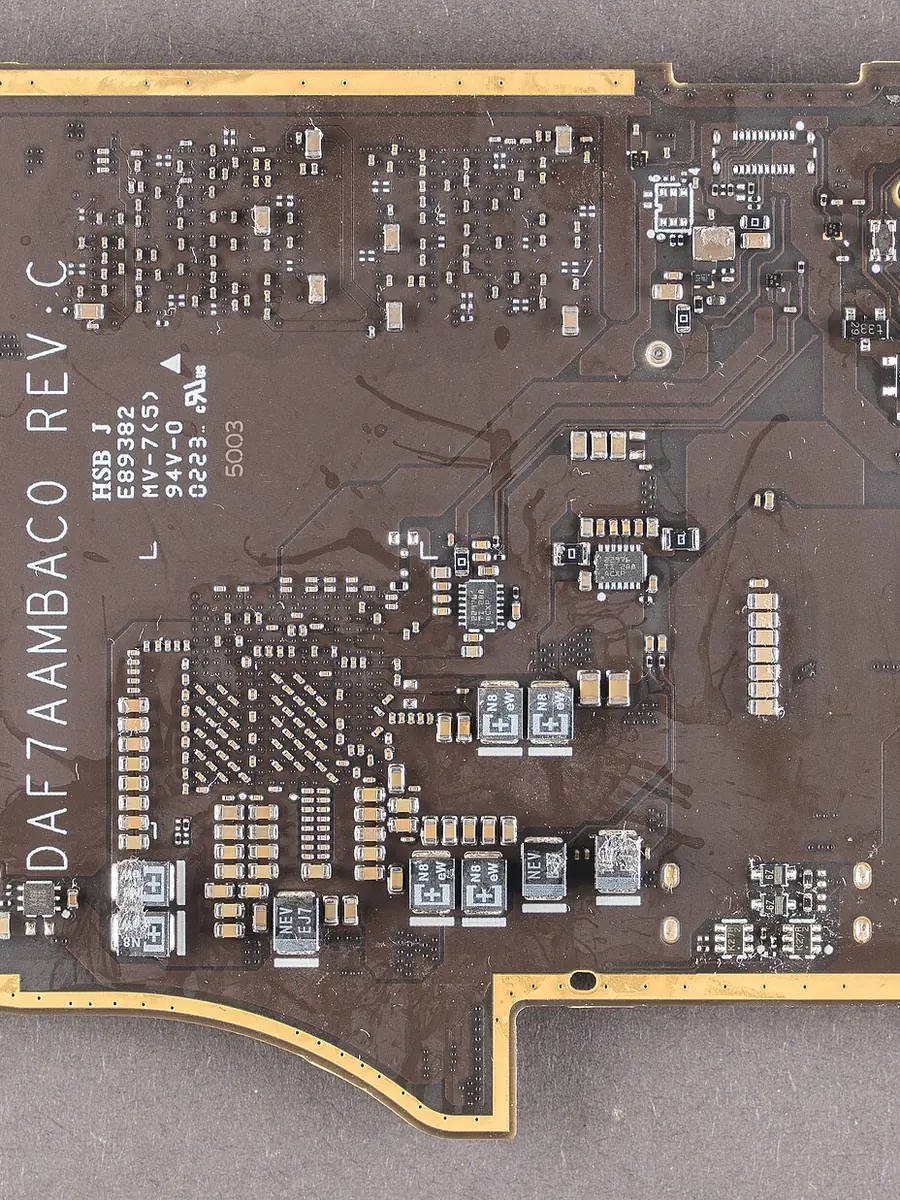
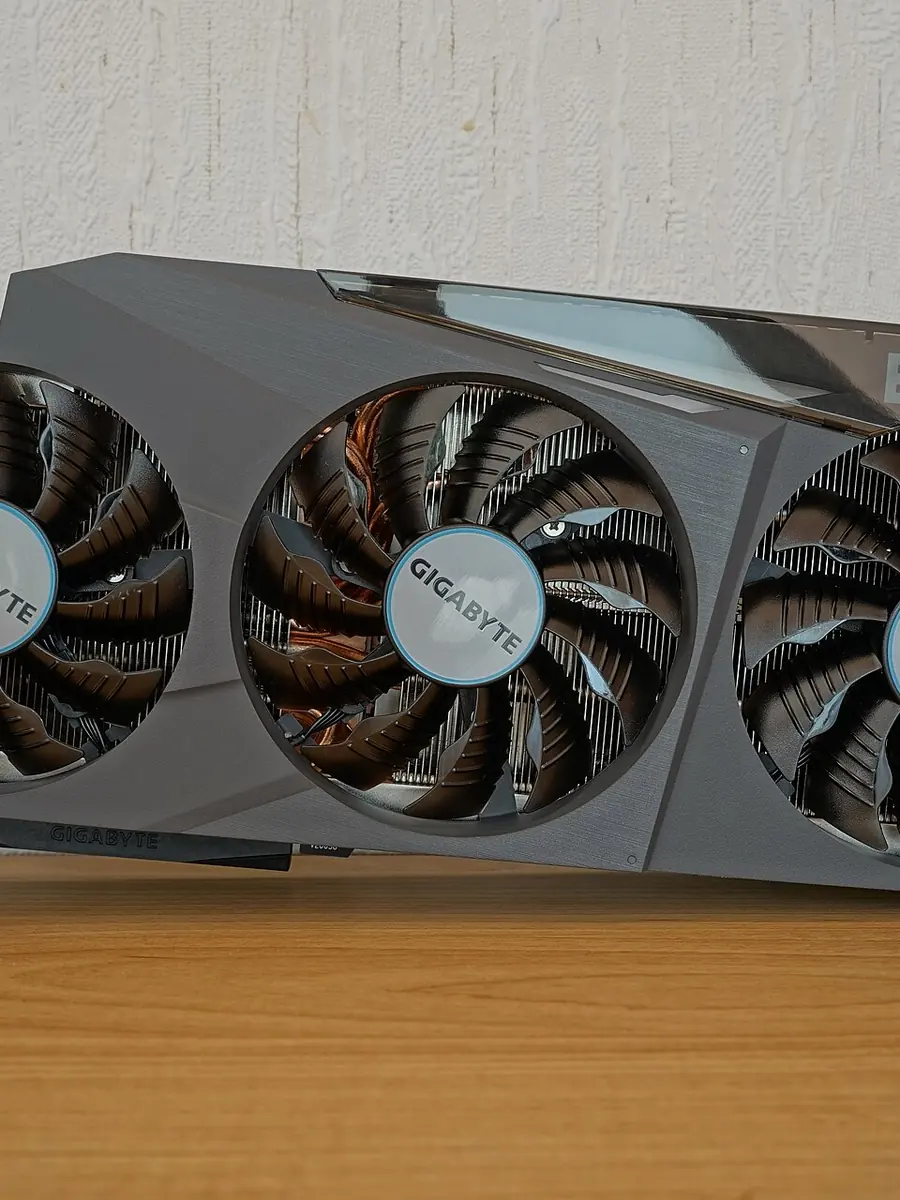
A high-pitched whine that rises and falls as the image on screen changes—louder in a menu running at a high frame rate, quieter during a cutscene—is almost certainly not
Updated:
Gaming hardware judged by what it does under load: cards, handhelds, panels, coolers and power supplies. We read the part numbers and the thermal limits rather than the number on the box, and we say when the cheaper part is the right one. Buying advice appears only where a measurement supports it.
A high-pitched whine that rises and falls as the image on screen changes—louder in a menu running at a high frame rate, quieter during a cutscene—is almost certainly not
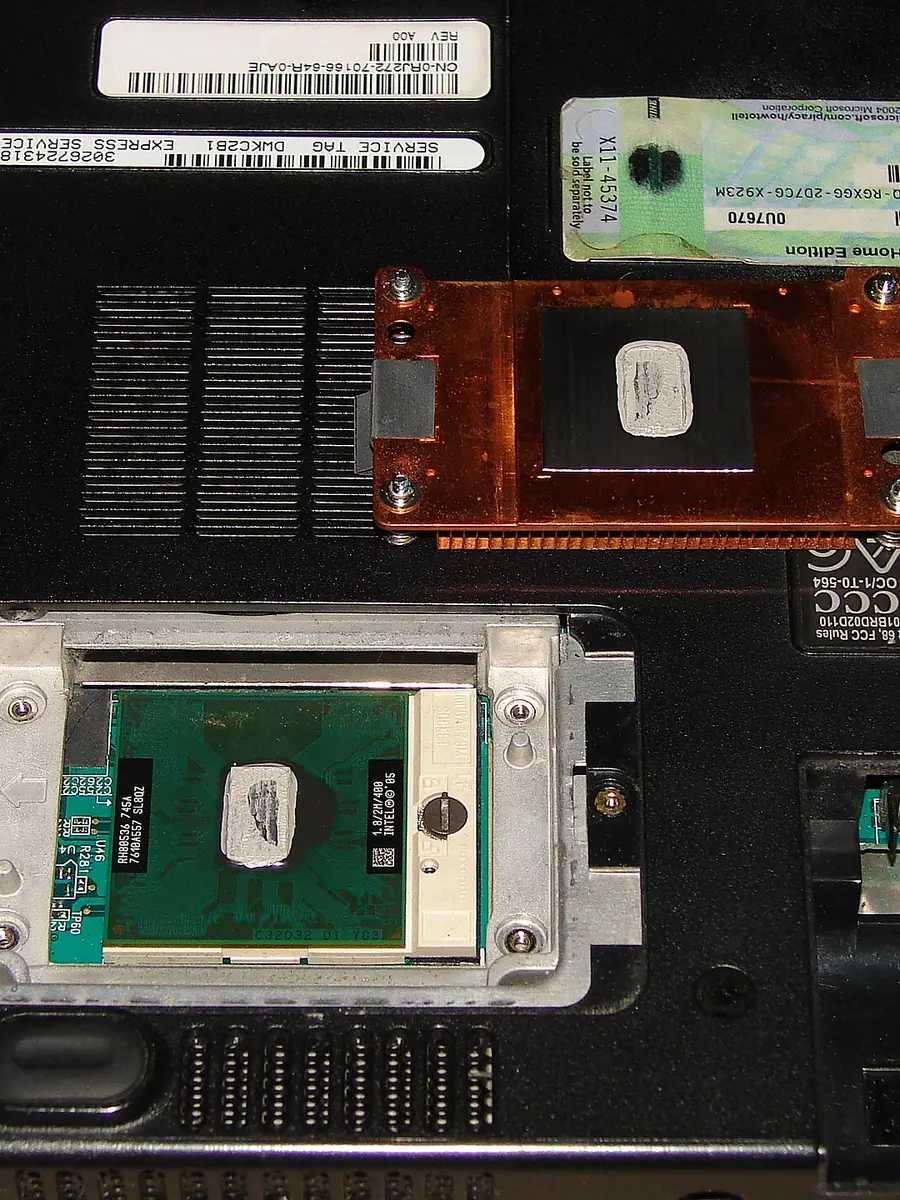
Thermal paste does not need changing on a schedule. The only reliable indicator that a repaste is overdue is a sustained rise in interface temperature—because the paste l
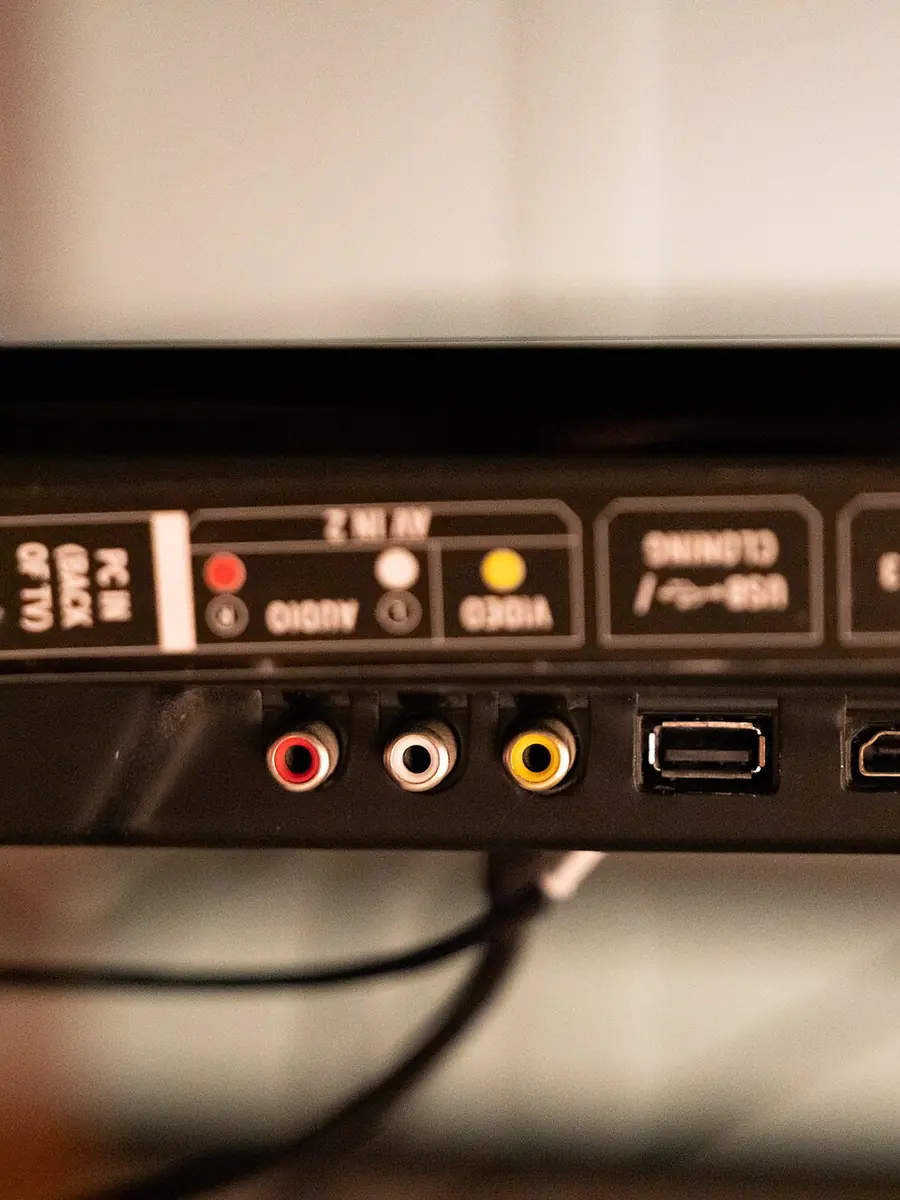
The HDMI Forum’s HDMI 2.1 specification overview lists Variable Refresh Rate among its Enhanced Gaming Features. VESA’s DisplayPort material describes Adaptive Sync as a
When a liquid crystal pixel must shift from one grey level to another, the monitor can briefly drive it with a voltage higher than the target. The aim is a faster transit
A handheld gaming PC contains one power budget, not two. The CPU and the graphics core draw from the same pool of watts, and When their combined demand exceeds the cap se
A normal soldered connection on a printed board is “not well suited to withstanding a permanent mechanical load,” a technical reference on solder joint failure states. Th