Why region locks existed, and what replaced them
A physical game cartridge bought in Tokyo would not fit into a console sold in London, and that was by design—but the original reason had nothing to do with controlling m
Updated:
Retro gaming and preservation: old hardware and old media age in specific, documented ways. What survives, what rots, what a battery swap really costs you, and what emulation can and cannot reproduce. Written for people who still run the originals.
A physical game cartridge bought in Tokyo would not fit into a console sold in London, and that was by design—but the original reason had nothing to do with controlling m
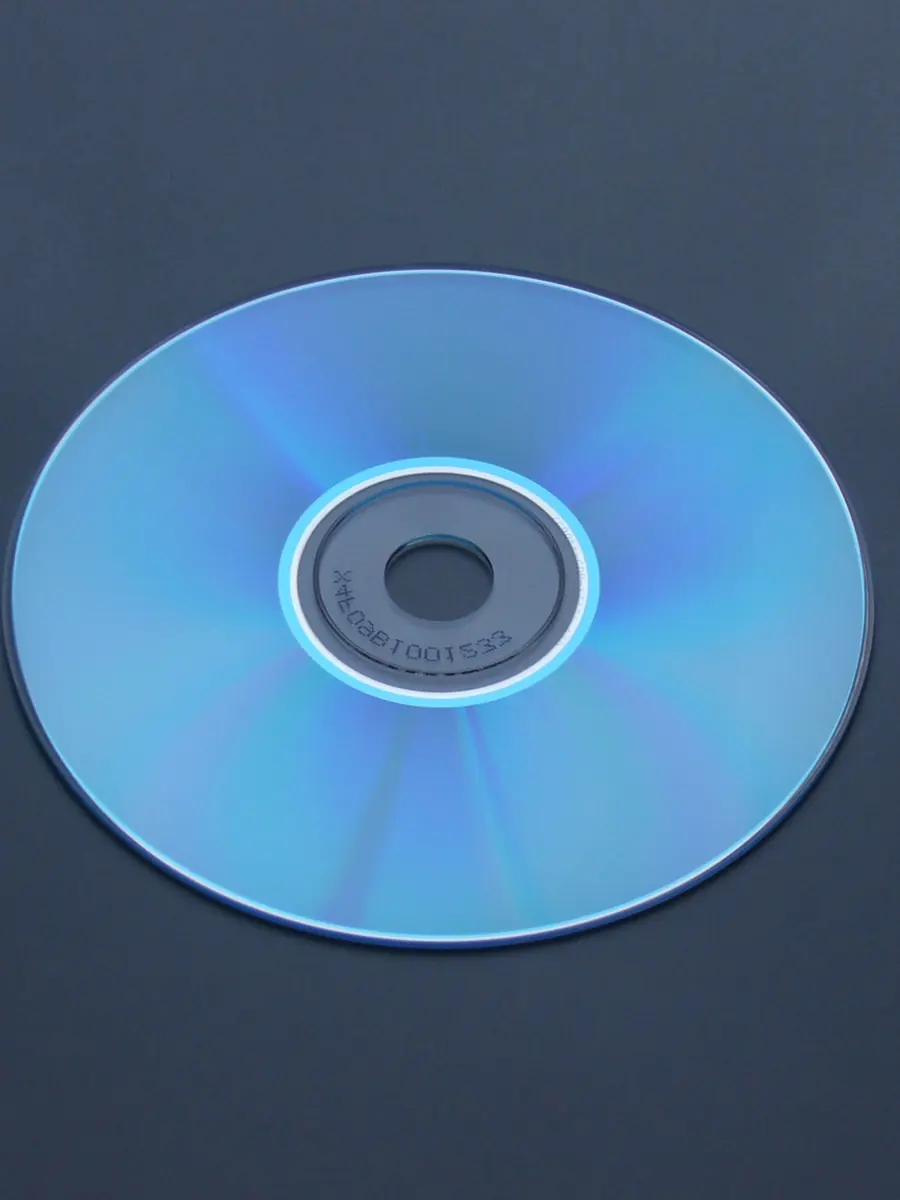
A disc can be bronzed across half its surface, riddled with pinprick holes a bright lamp picks out, and still play. That it works at all is what makes disc rot unnerving.
A single misplaced cycle can turn a classic platformer into a slideshow. The difference between a jump that connects and a fall that feels unfair is often fewer than a th
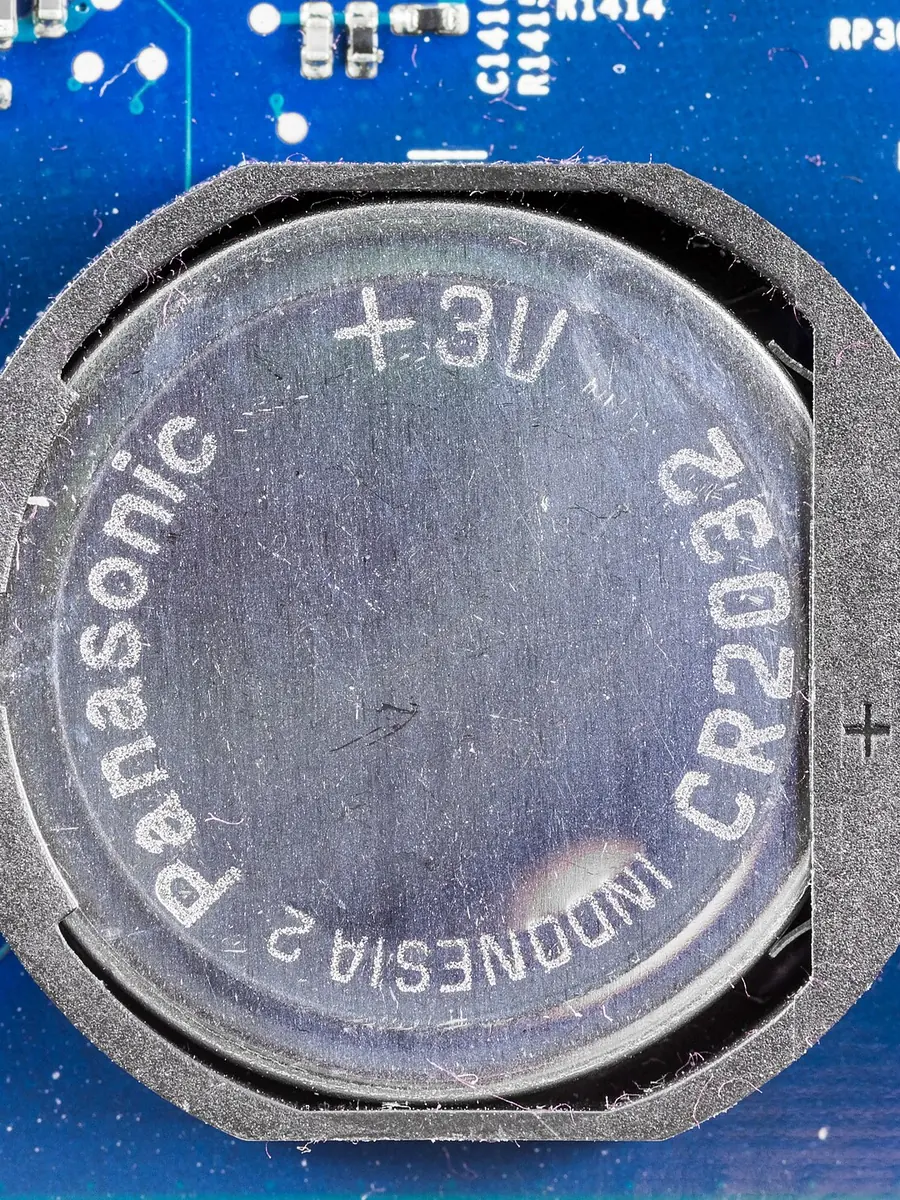
A cartridge-era game save lives inside a chip that forgets everything the moment its trickle of standby power vanishes. The catastrophe is not the battery surgery itself;
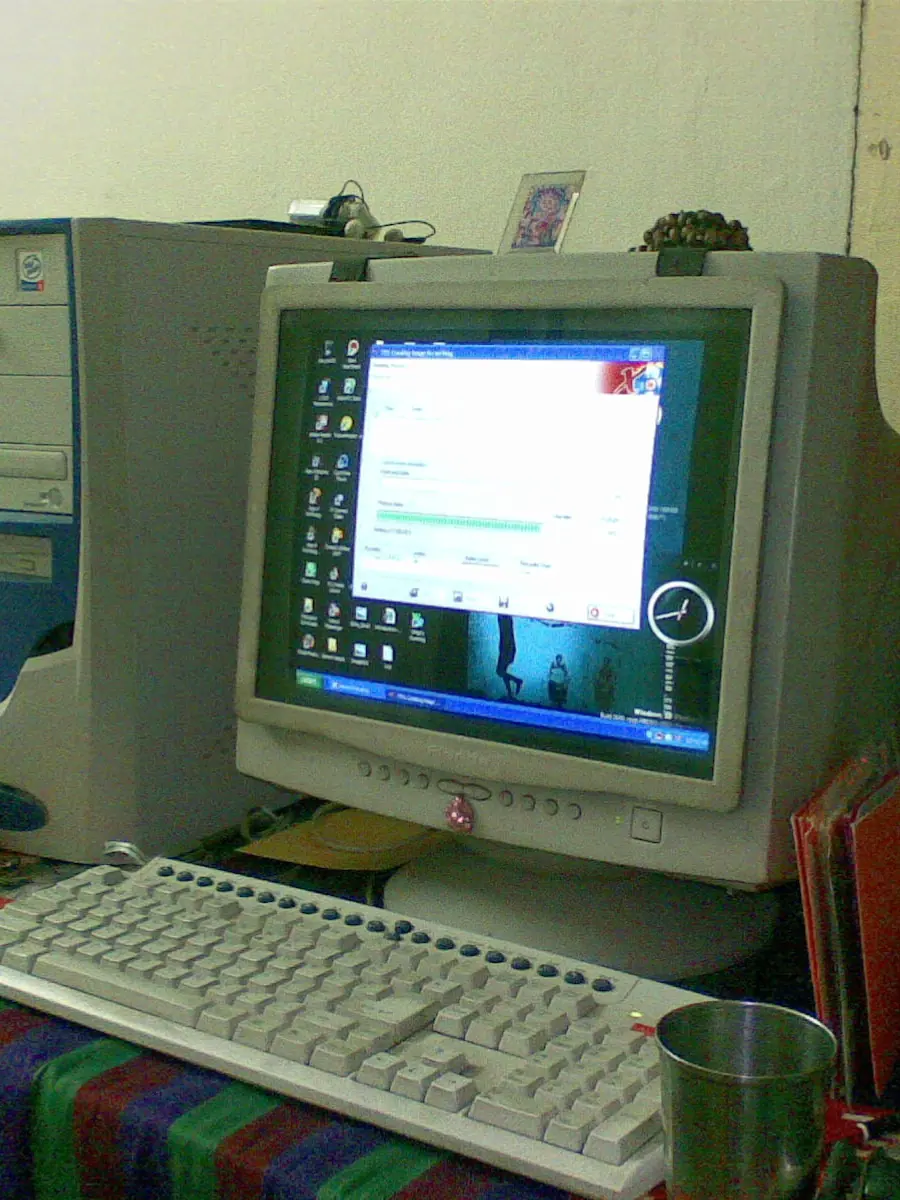
A cathode-ray tube display does not wait for a whole frame to arrive before it starts painting the screen. It fires electrons the moment the first line of video data is r